
A square 70s colour print of you
By 1970 the family snapshot was a colour print: square, white-bordered, warm and a little soft. Pick a photo and the year, and Erafy makes a new 70s picture in that form with AI.

AI photo app · Free to download · iPhone · 18+

Nobody in the examples is a real person — the before photos are invented faces. These are our best results, not average ones. Sometimes AI can't handle it and modifies your face. All we can offer is a try.
What a 1970s colour print looked like
The camera of 1970 took a drop-in film cartridge: a fixed lens, one exposure, a square frame, and a cube of four flashbulbs clipped on top for indoors. Colour had overtaken black and white. The drugstore returned square prints about three and a half inches across, white-bordered, often with rounded corners: warm, a little muddy, grainy, with a yellow-green cast, sharp in the middle and soft at the edges.
The flash cube made the indoor look of the decade: a bright face, strong red-eye, a hard shadow behind, and anything past nine feet gone black. Slides went into a slide projector, deeper and sharper. An instant camera pulled out a peel-apart print, warm, soft and pastel. No orange date in the corner yet: that came late in the decade.
For each 1970s picture Erafy picks from that list at random: a cartridge print in sun or by flash cube, a 35 mm frame, a slide, a black-and-white print, or an instant. The prints carry their age, drifted toward amber with the cyan gone from the shadows; slides have mostly kept their colour. Turn Situation on and the scene might be a backyard barbecue by an above-ground pool, an avocado-green kitchen, or a road-trip stop beside the station wagon.
Autofocus and 35 mm film came next, in the 1980s.
More from the 70s
-
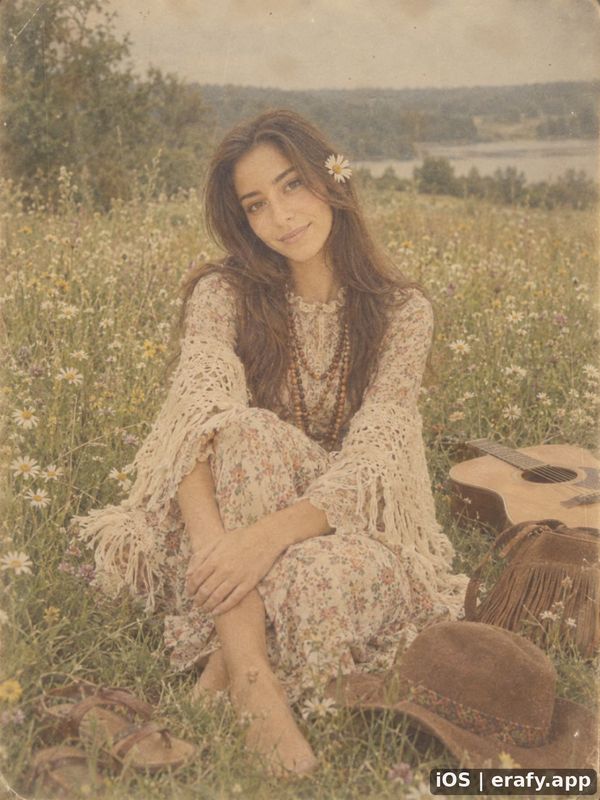 Meadow
-
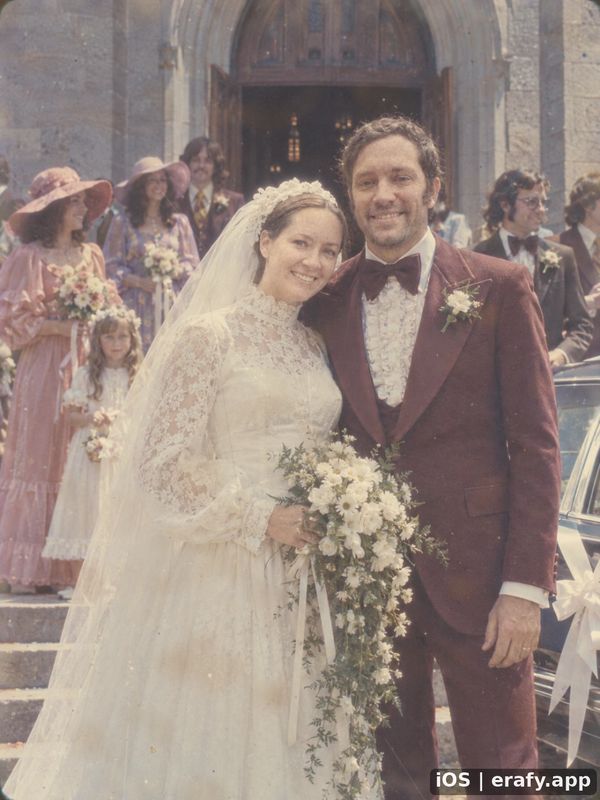 Couple · Wedding
-
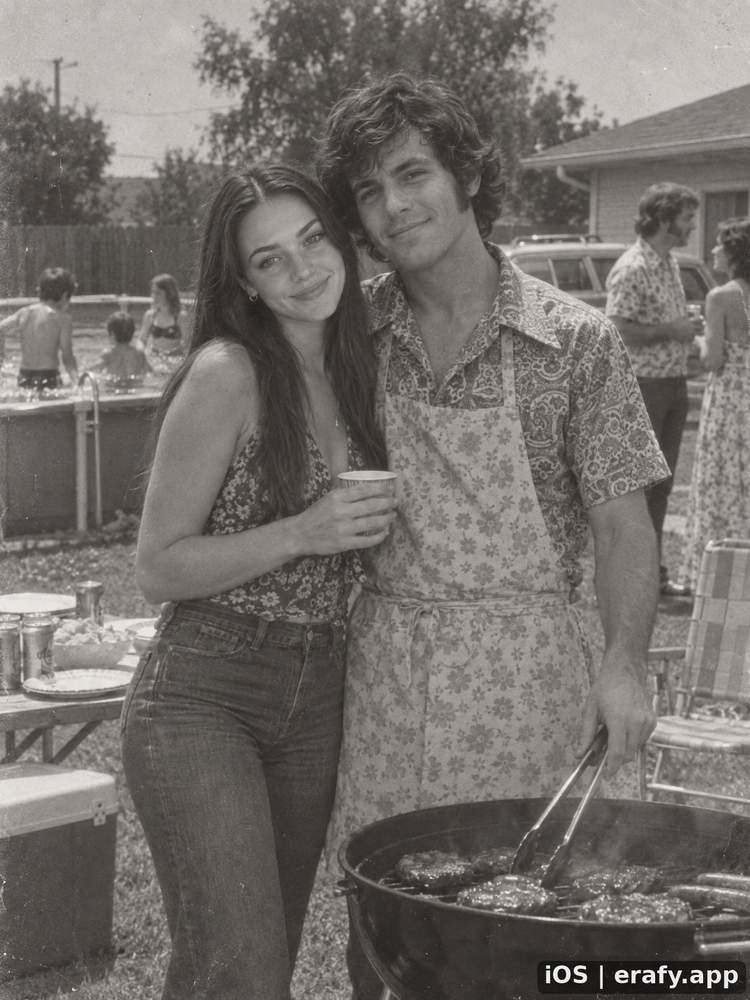 Backyard barbecue


Other years
-
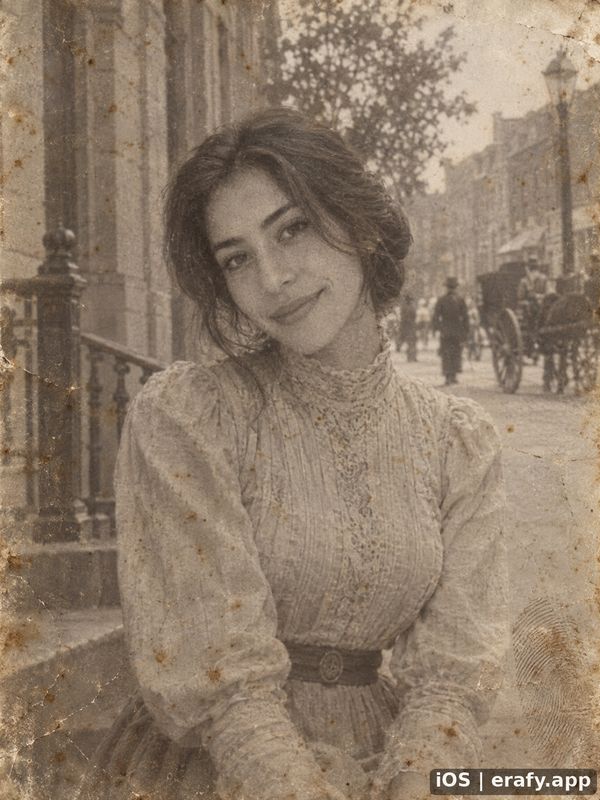 1900Early roll film, black and white
-
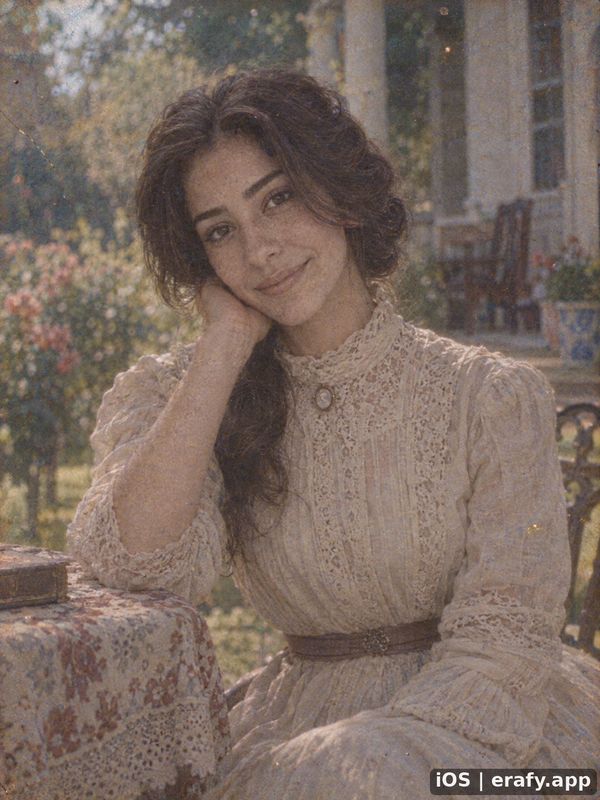 1910Glass plates, film packs and early colour plates
-
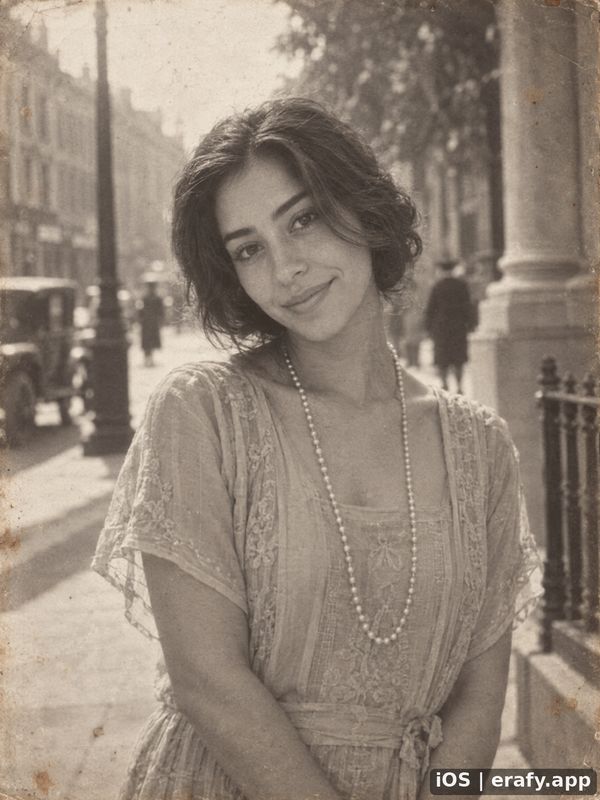 1920Orthochromatic black and white
-
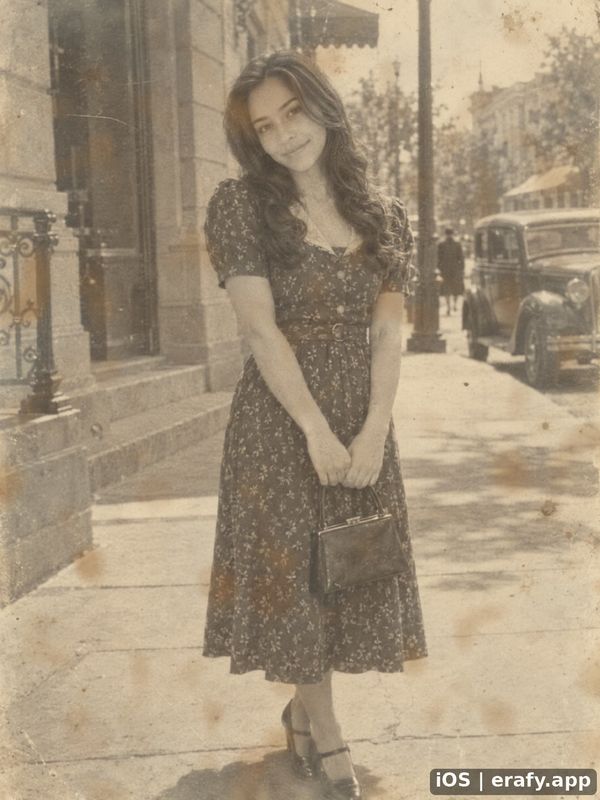 1930Roll-film snapshots
-
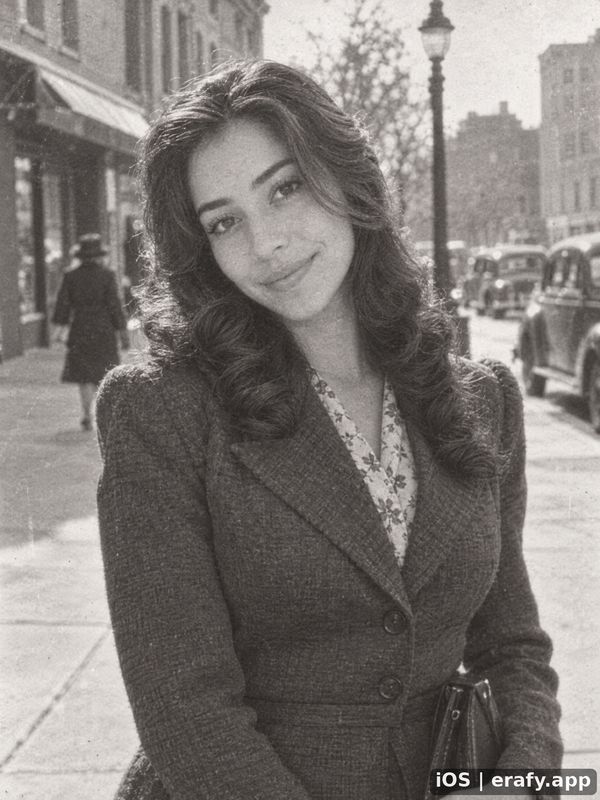 1940Wartime black and white
-
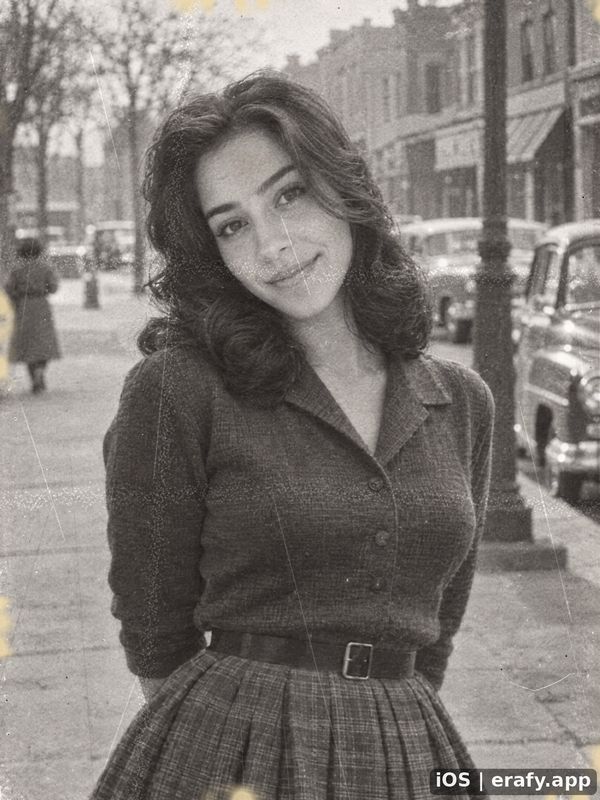 1950Black and white, and the first colour
-
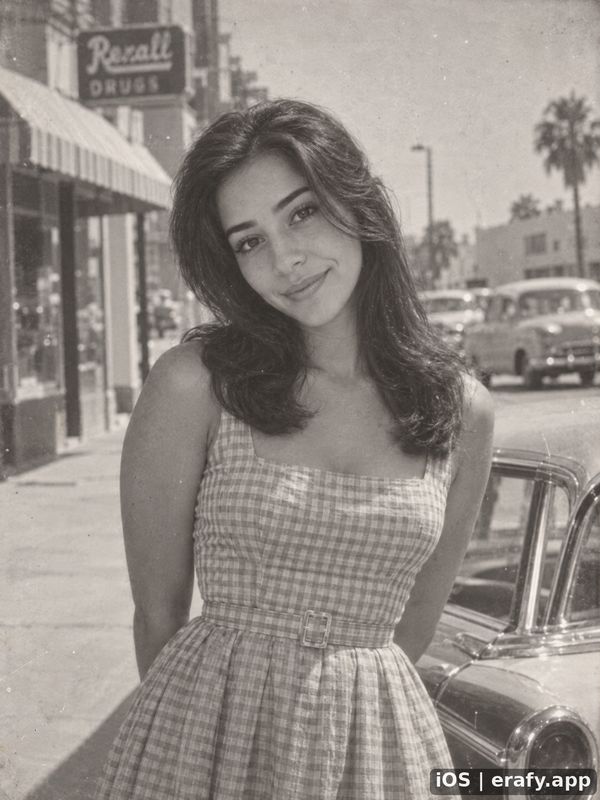 1960Colour slides and black and white
-
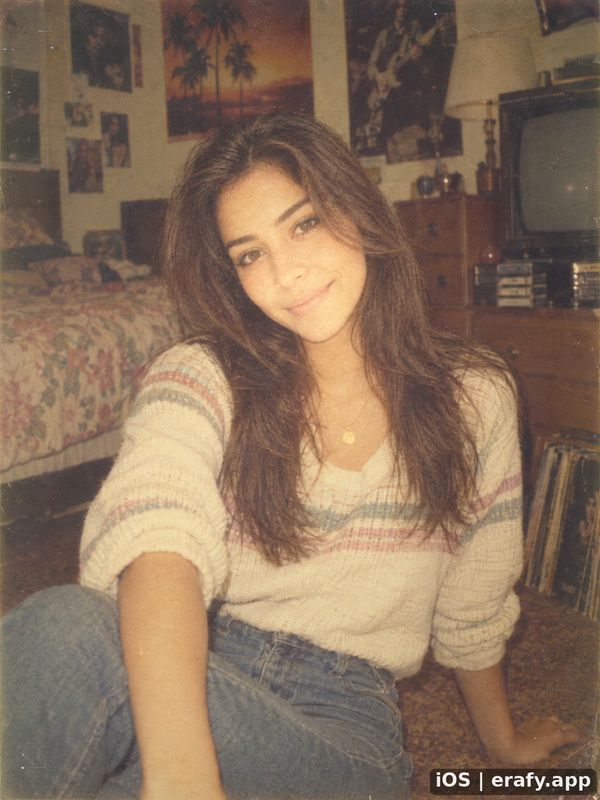 198035 mm colour, pocket cameras, flash
-
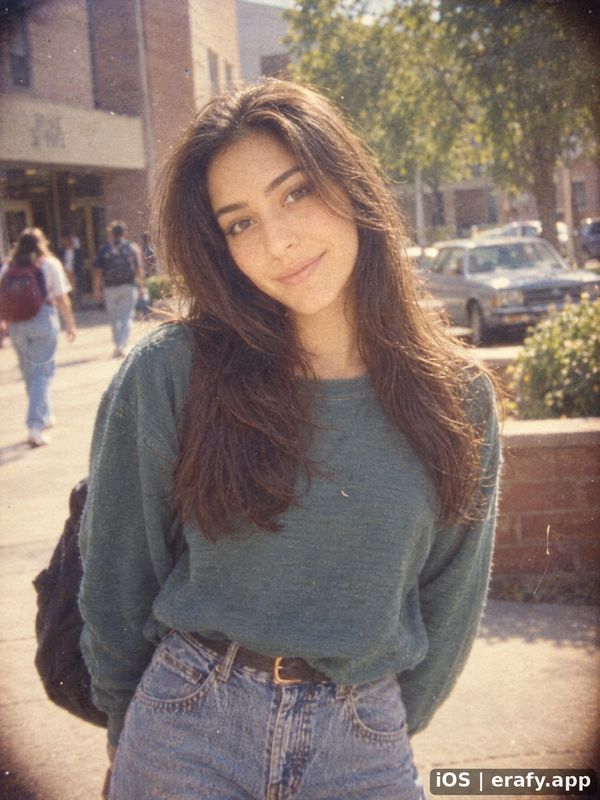 1990Drugstore colour film and disposables
-
 2000Date stamps and the first digital cameras
-
 2010Early phone cameras
-
 2013Retro filter apps
-
 2016Phone portrait mode
-
 2019Night mode and ultrawide
-
 2022The modern phone camera
-
 2025Today's phones


Questions
Why do 1970s photos look so orange?
Two reasons. The colour print film of 1970 already leaned warm, with a yellow-green cast and low contrast, and the fixed-exposure cartridge cameras under-exposed anything but bright sun, which left the prints muddy. Then the dyes faded. Over fifty years those prints have drifted unevenly toward amber and magenta-orange, lost cyan in the shadows and yellowed in the pale areas. Most slides from the same years have held their colour far better.
Did photos in 1970 have a date stamp?
No. The orange date burnt into the corner of the picture arrived late in the 1970s, stayed rare through the early 1980s, and only became common in the 1990s. A print from 1970 might carry a processor's date on the back or in the white border, but nothing inside the image.
What would I look like in the 70s?
Erafy makes a new picture from your photo in the style of the year you pick, so how much it resembles you varies from one go to the next. It varies most in the black-and-white years and in the crafts before 1900, where faces are drawn in the craft's style. We make no promise about how any result will look.
